
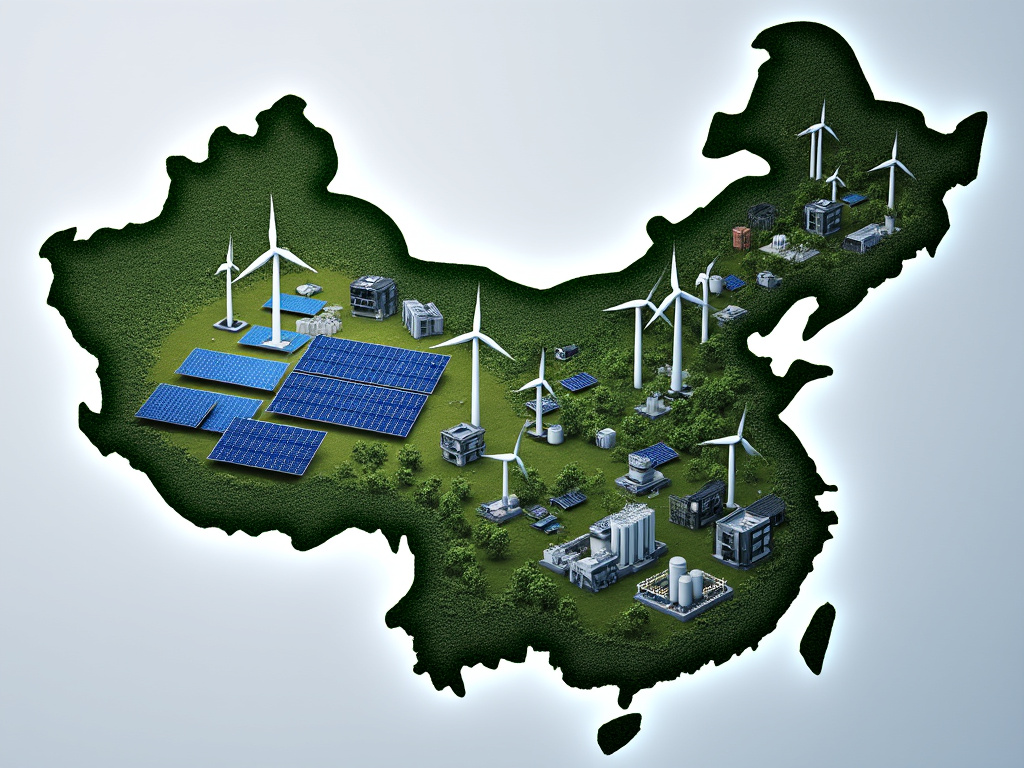
Margins, or the difference between cost and price, are better with lower costs. In the US, a philosophy of liberalization of the market is core to the politics of the people and the politics. Consequently, anything which people believe can be privatized, is. Things like rail, which used to be, at least in part, utilities are now largely in private companies’ possession to manage as they see fit within the bounds of the laws the government sets. Even water and energy are more private than public across the US than they once were. One consequence of this has been increases in prices, rather than decreases. China, has also been undergoing a move towards market capitalism since Deng, but this has been done, at least thus far, very differently.
The Chinese government operates by the principle of Market Socialism, often also referred to as Socialism with Chinese Characteristics. This is neither the socialism of the USSR, nor is it the laissez faire capitalism endorsed by the IMF, under the loose term “The Washington Consensus.” China has opted instead to slowly release areas of industry and commerce to free enterprise less critical. All the while, the government has clung onto the ‘Commanding Heights’ of the economy. These being things like mining, telecommunications, water, energy, banking, a great deal of transportation and so forth. But the prices for these goods for both consumers and businesses is wildly low, especially as compared to the United States. So, I, in my apartment in Beijing pay .06% for a gigabyte of internet data, practically nothing for water, and don’t concern myself with the cost of electricity much. But why is this important for business?
Imagine you are running a factory in China vs running a factory in the United States. In China, your energy costs, telecommunications, water, and so forth are a tiny fraction of the cost of the factory in the US. When the product is finished, it can be shipped affordably on publicly operated high-speed-rail to AI operated ports and be sent to the retailer anywhere in the world faster.
Costs of doing business in China are low, allowing the free market enterprises in China to thrive.
Labor in China is NOT as cheap as other developing nations. The answer: Water, much of public transportation, telecommunication, energy and others are managed by State Owned Enterprises, basically run as utilities. So: If you are setting up a factory (yes as a foreigner too) the cost of water, electricity, gas, and internet data is low, allowing higher margins for the enterprise.
Affordable inputs equate to higher profit margins, which mean a business has more room to wiggle as it develops. And more room to grow as it scales up. This is a basic explanation of why industry in China thrives better and more easily than it does in the United States. America’s desire to privatize everything has come back and bit it in the butt.


 The Shared Future Institute
Leave a comment